
Our Team
Leadership
BAROS-AFRICA is led by a team of highly experienced professionals with decades of combined experience in global health, public health surveillance, supply chain management, child protection, and organizational leadership. Our team brings deep technical expertise, proven track records in donor-funded program management, and a shared commitment to empowering local ownership and ending dependency.
Why This Team
If you're a government: this isn't a team that advises ministries from the outside. Our leadership has sat inside them — serving as Agreement/Contracting Officer's Representative on federal awards, reversing an active compliance threat before it cost a program its funding, and building the same kind of transparent, government-owned systems we propose for you.
If you're a donor: you're not just funding an implementer. Our leadership has functioned as a federal-designated oversight point of contact in its own right — managing USG-funded portfolios exceeding $200 million, holding FAC-C Professional certification in federal acquisition and assistance regulations, and bringing that same discipline to every engagement, regardless of sector.
If you're a partner: this team's depth is real and specific — health financing, disease surveillance, supply chain integrity, laboratory science, data systems, and finance — the kind of technical bench a consortium can build around, not compete against.
Dr. James Odek, Chief Executive Officer

21+ years in HIV prevention, public health programming, and health systems leadership across PEPFAR/CDC, USAID, the Global Fund, and Gates Foundation-funded programmes in Kenya and Malawi. Senior Technical Advisor on the PathToScale Study at Georgetown University's Center for Innovation in Global Health; held escalating HIV prevention leadership roles at USAID from 2013–2024, including Biomedical Prevention Advisor overseeing a $65 million portfolio across 10+ implementing partners, and represented CDC and USAID on the PEPFAR Interagency Management Team overseeing its nearly $500 million annual budget. Holds an MPH from Moi University and an MBChB from the University of Nairobi; author of peer-reviewed research published in The Lancet HIV and The Lancet Global Health.
-
Dr. James Odek is a results-driven physician and public health leader with more than 21 years of experience leading government-owned HIV, TB, malaria, and health systems programmes across East and Southern Africa. His technical and strategic leadership experience spans programmes supported by PEPFAR/CDC, USAID, the Global Fund, and the Gates Foundation, with a strong record of peer-reviewed publication in HIV prevention and global health policy research.
Most recently, as Senior Technical Advisor on the PathToScale Study at Georgetown University's Center for Innovation in Global Health, James led national system-readiness planning for long-acting PrEP (Cabotegravir and Lenacapavir) in Malawi — developing national guidelines, standard operating procedures, and implementation strategy as a member of the Malawi HIV Prevention Technical Working Group, which convenes the Ministry of Health, PEPFAR, the Global Fund, the Gates Foundation, and CHAI. He co-authored a policy framework endorsed by 60 participants from 11 African countries.
James' HIV prevention leadership spans more than a decade at USAID, across an escalating series of roles in Kenya and Malawi: as Biomedical Prevention Advisor, he led a $65 million HIV prevention portfolio with direct accountability for strategy, budget, and 50+ staff across 10+ implementing partners, co-chaired the national HIV Prevention Technical Working Group, and co-created national HIV self-testing, VMMC, and PrEP policy and guidelines — a self-testing policy that raised linkage to care from 6% to over 80%; as Program Management Specialist for HIV/AIDS Prevention, he oversaw $30 million annually in PEPFAR/Kenya HIV prevention programming for USAID; and earlier, as Technical Advisor for HIV/AIDS Care and Treatment with the U.S. Centers for Disease Control and Prevention, he served as CDC's representative on the PEPFAR Interagency Management Team, helping shape national HIV policy and representing CDC and USAID on a team that oversaw the program's nearly $500 million annual budget across all U.S. government agencies.
Beyond these roles, James led the consolidation of three international NGOs into a single, locally led Malawian partner organization—a localization model he considers one of his most consequential achievements. He also brings hands-on experience in epidemic preparedness and response, including helping design Malawi’s national outbreak contingency-financing framework and working directly with Kenya’s Ministry of Health and county governments within the country’s devolved health system.
James holds a Master of Public Health from Moi University and an MBChB from the University of Nairobi. A certified USG Contracts/Agreement Officer's Representative, he has managed USG-funded portfolios exceeding $200 million and has co-authored peer-reviewed research published in The Lancet HIV and The Lancet Global Health. He has been recognized with more than 20 professional honors over his career, including a U.S. Department of State Meritorious Honor Award and USAID's Exemplary Achievement Group Award.
Chiwawa Nkhoma, Senior Health Services Delivery Lead
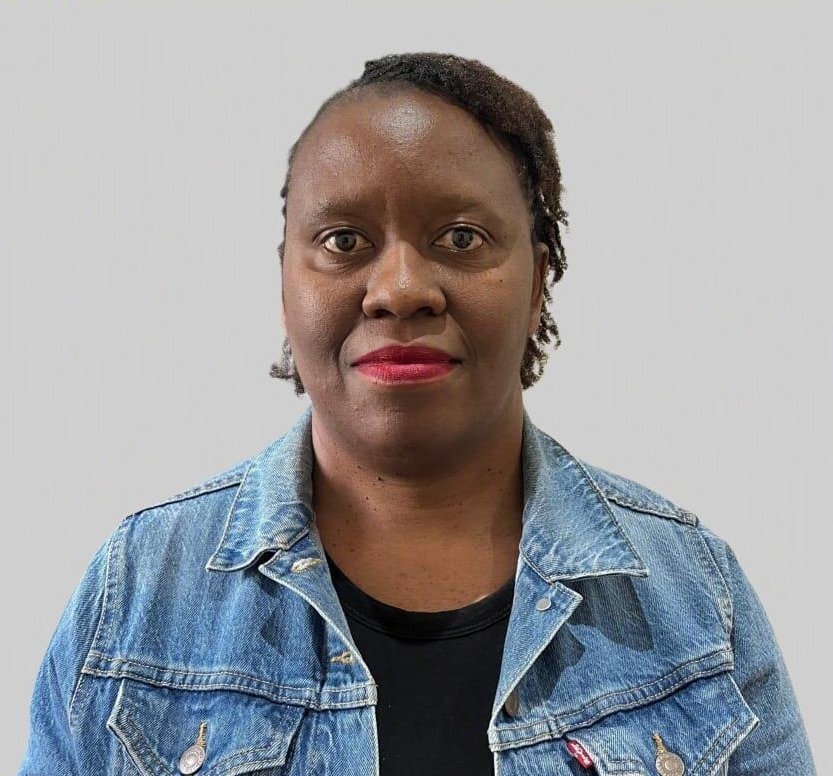
24+ years leading multi-site HIV, SRHR, clinical research, implementation science, and health systems strengthening programs, managing budgets up to US$63 million. Senior leadership roles include Deputy Executive Director at Family Health Services (Malawi) and Chief of Party for USAID/PEPFAR HIV prevention portfolios reaching hundreds of thousands through VMMC, DREAMS, and SRHR programs, plus leadership of a UNITAID-funded HIV self-testing initiative that shaped Malawi's national policy. Holds an MPH in Epidemiology & Biostatistics (Johns Hopkins) and an MSc in Epidemiology (University of Malawi).
-
Chiwawa provides strategic technical leadership for the design, implementation, and quality assurance of integrated health service delivery across BAROS-AFRICA's programs. With over 24 years leading complex multi-site HIV, sexual and reproductive health, clinical research, implementation science, and health systems strengthening programs across government, donor, academic, and healthcare settings, she has a proven track record overseeing program implementation, managing multi-million-dollar budgets, and translating implementation evidence into program improvements and national policy.
As Deputy Executive Director & Director of Programs at Family Health Services (formerly PSI Malawi), Chiwawa led a $12 million annual portfolio funded by USAID, FCDO, KfW, CIFF, the Gates Foundation, and CHAI, overseeing more than 300 staff — including a $10 million SRHR portfolio reaching over 364,000 women across 18 districts. She has also served as Chief of Party and Deputy Chief of Party for USAID/PEPFAR-funded programs worth up to $63 million, delivering HIV prevention, VMMC, DREAMS, and testing services to hundreds of thousands of beneficiaries, including populations disproportionately affected by HIV such as men who have sex with men, female sex workers, and adolescent girls and young women (AGYW).
She has strengthened program quality and compliance through IQA/CQI systems, donor reporting, and risk management, and as Research Translation & Innovation Lead for the HIV Self-Testing Africa Initiative, managed a $4 million UNITAID-funded program that contributed to Malawi's first National HIV Self-Testing Policy.
Chiwawa holds a Master of Public Health (Epidemiology & Biostatistics) from the Johns Hopkins Bloomberg School of Public Health and a Master of Science in Epidemiology from the University of Malawi.
Clement Trapence, Senior Digital Health Lead

14+ years across sub-Saharan Africa in M&E, research, and digital health, bridging data and decision-making to strengthen health systems. Senior roles with USAID, Partners In Health, FHI360, and the Malawi-Liverpool-Wellcome Trust Clinical Research Programme; built an automated data streaming system for USAID South Africa that cut data management effort by 80%, and led dashboards at FHI360 Botswana that reduced patient dropout by 50% across 300,000+ patients. As Branch Chief for M&E-HIV at USAID Malawi, oversaw tracking and care for 1.2 million people living with HIV. Holds an MSc in Public Health (University of Malawi College of Medicine) and is pursuing a PhD in Epidemiology (University of Basel).
-
Clement serves as the Digital Health Lead at BAROS-AFRICA, providing strategic technical leadership for the design, deployment, and scaling of digital health systems, health informatics platforms, and data-driven health solutions across the organization's programs. With over 14 years of progressive experience across sub-Saharan Africa, he is a distinguished Monitoring and Evaluation (M&E), research, and digital health professional recognized for bridging the gap between data and decision-making to strengthen health systems.
Clement has deep proficiency deploying, customizing, and managing digital health platforms at scale, including DHIS2, OpenMRS, CommCare, SurveyCTO, KoboToolbox, and ODK, alongside data analysis and visualization tools including Python, R, Stata, Power BI, and Tableau. At USAID South Africa, he built an automated data streaming system that reduced data management effort by 80%, and at FHI 360 in Botswana, he led dashboards monitoring HIV interventions for over 300,000 patients that cut patient dropout by 50%.
As Branch Chief for M&E-HIV at USAID Malawi, Clement oversaw more than four implementing partners supporting the national HIV care and treatment program, contributing to the tracking and care of 1.2 million people living with HIV; at USAID South Africa, he led more than 26 data review sessions supporting improved outcomes for over 5.5 million people living with HIV. As Activity Manager for USAID's COVID-19 response in Malawi, he mobilized over USD 1 million to digitize national vaccination records.
Clement holds an MSc in Public Health from the University of Malawi College of Medicine and is pursuing a PhD in Epidemiology at the University of Basel, Switzerland. He has published over eight peer-reviewed papers in journals including BMJ Open, PLOS ONE, and the Journal of Acquired Immune Deficiency Syndromes.
Dr. Catherine Wood, Senior One Health Expert
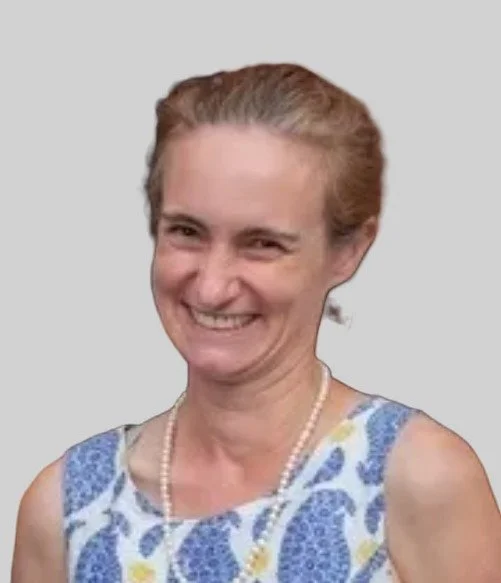
15+ years in veterinary medicine, epidemiology, and One Health coordination across Africa and the United States. Country Co-Lead for ILRI-EU's COHESA initiative, advancing multisectoral zoonotic disease surveillance and One Health policy in Malawi alongside the Government of Malawi, USAID, WHO, FAO, and WOAH. Author of recent peer-reviewed research on rabies surveillance and Taenia solium risk mapping in Malawi (One Health Outlook, 2025–2026). Former Senior Lecturer at LUANAR and veterinarian at the Lilongwe Wildlife Centre. Holds a DVM, with Distinction (Cornell University), and an MSc in Veterinary Epidemiology (University of Edinburgh).
-
Dr. Wood serves as the One Health Expert at BAROS-AFRICA, providing strategic technical leadership for the integration of human, animal, and environmental health systems across the organization's programs. With over 15 years in veterinary medicine, epidemiology, and One Health coordination across Africa and the United States, she is a recognized expert in operationalizing multisectoral approaches to zoonotic disease surveillance, outbreak detection, and infectious disease prevention.
Dr. Wood holds a Doctor of Veterinary Medicine (DVM), with Distinction, from Cornell University's College of Veterinary Medicine (May 2007); a Master of Science in Veterinary Epidemiology from the University of Edinburgh (August 2022); and a Bachelor's degree in Animal Science, Magna Cum Laude with Distinction in Research, from Cornell University's College of Agriculture and Life Sciences (May 2003). She completed internships in Wildlife and Conservation Medicine at Tufts University and in Critical Care Medicine at Anne Arundel Veterinary Emergency Clinic, giving her a unique blend of clinical, wildlife, and epidemiological expertise.
As Country Co-Lead for ILRI-EU's Capacitating One Health in Eastern and Southern Africa (COHESA, 2021–2024), based at the Lilongwe University of Agriculture and Natural Resources (LUANAR), Dr. Wood led a national academic and government consortium advancing One Health strategy and policy in Malawi. She facilitated interagency coordination, oversaw stakeholder engagement, and worked closely with the Government of Malawi, USAID, WHO, FAO, WOAH, the private sector, and international and local NGOs to advance One Health coordination at national and sub-national levels, promoting multisectoral competencies and research opportunities across ministries.
Dr. Wood has an active, current record in zoonotic disease research in Malawi, including spatial and temporal risk mapping of human and porcine Taenia solium infection (One Health Outlook, 2026), rabies surveillance in low-resource settings (One Health Outlook, 2025), and genetic diversity of Fasciola gigantica in Malawian cattle (Veterinary Research Communications, 2025) — alongside earlier Bayesian modeling of dog population dynamics relevant to rabies control in southern Malawi. Since September 2024, she has also led helicopter-based wildlife population census and distance-sampling analysis across multiple parks in Southern Africa, maintaining active field-epidemiology and survey-design skills relevant to outbreak and disease surveillance work.
As a Senior Lecturer in the Clinical Sciences and Public Health Departments at LUANAR's Veterinary Faculty (2017–2024), Dr. Wood developed and taught coursework in medicine, surgery, imaging, public health, and clinical pathology, and managed clinical rotations, rural outreach, and canine sterilization and wildlife immobilization courses. She co-developed and helped deliver an online “One Health Policy to Practice” summer course delivered through Georgetown University. She built lasting institutional relationships between LUANAR and ILRI, the Roslin Institute at the University of Edinburgh, the University of Pennsylvania School of Veterinary Medicine, and African Parks.
Dr. Wood maintains an active clinical practice as Staff Veterinarian at Anne Arundel Veterinary Emergency Clinic (2009–present) and as a consulting veterinarian for the Wild Bird Fund (New York) and Nairobi Raptor Trust (Kenya) since 2015. From 2009 to 2024 she provided veterinary care, budget management, and staff training at the Lilongwe Wildlife Centre, and delivered primary veterinary care, rabies vaccination, and sterilization campaigns through the Lilongwe and Blantyre SPCAs.
Dr. Michael M. Maero, PhD, Senior Bio, Agro and Food Lead
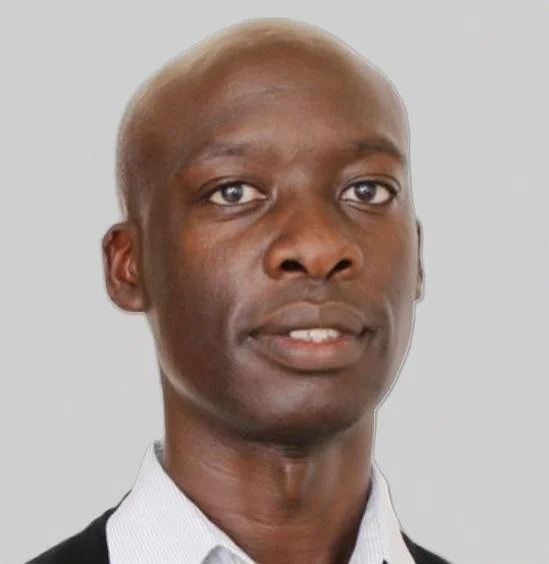
20+ years leading cross-sectoral climate, energy, water, food systems, and agriculture initiatives across Sub-Saharan Africa and Europe. Extensive donor experience with FAO, World Bank/ZEP-RE, USAID, UNIDO, and JICA, including coordinating the World Bank/ZEP-RE DRIVE livestock insurance project across Somalia, Ethiopia, and Kenya and developing Somalia's first Environmental and Social Management System. Holds a PhD in Food Science and Postharvest Technology (JKUAT) and a Master's in Postharvest & Food Preservation Engineering (KU Leuven); serves on the Editorial Board of Carbon Management Journal, with publications in The Lancet Planetary Health and Frontiers in Nutrition.
-
Dr. Maero serves as the Bio, Agro and Food Lead at BAROS-AFRICA, providing strategic technical leadership for the organization's agricultural, food systems, climate resilience, and nutrition portfolio. With over 20 years leading cross-sectoral, interdisciplinary initiatives in climate and environment, energy, water, food systems, and agriculture across Sub-Saharan Africa and Europe, he is a recognized expert in translating complex scientific research into practical, scalable solutions that strengthen food security, improve nutrition, and build climate resilience.
Dr. Maero holds a PhD in Food Science and Postharvest Technology from Jomo Kenyatta University of Agriculture and Technology (JKUAT) and a Master of Postharvest & Food Preservation Engineering from Katholieke Universiteit Leuven (KU Leuven) in Belgium, where he is currently based as an EU resident with full right to work. He has served as a Lecturer, Researcher, and Academic Administrator at JKUAT, teaching Food Processing & Preservation, Value Addition, Packaging Technology, Post-harvest Technology, and Food Engineering, and supervising numerous MSc and PhD candidates.
Dr. Maero has a proven track record working with major international donors and organizations — including FAO, World Bank/ZEP-RE, USAID, UNIDO, and JICA — across the full project lifecycle, from proposal and grant management through implementation, financial oversight, and donor-compliance reporting. He has coordinated multi-country resilience projects, including the World Bank/ZEP-RE DRIVE project on index-based livestock insurance across Somalia, Ethiopia, and Kenya, and developed Somalia's first Environmental and Social Management System (ESMS) for SME financing.
He has contributed to climate adaptation and food systems strengthening across Africa through projects ranging from value chain evaluation for specialized nutritious foods (UNIDO) and climate-responsive rural energy solutions (Imperial College London/DFID) to bio-based packaging for food supply chains (FAO) and honey fingerprinting via NIR spectroscopy and chemometrics (JICA). He has served as an Expert Panellist on Land Use for the Kenya 2050 Climate Calculator (Imperial College London) and provided regulatory impact assessments for Kenya's Climate Change Act under the StARCK+ project (DFID).
Dr. Maero has held senior governance roles, including Board Director at the Kenya Agriculture & Livestock Research Organisation (KALRO) and the Tana & Athi River Development Authority (TARDA), where he chaired Research and Innovation Committees. He serves on the Editorial Board of Carbon Management Journal (Taylor & Francis) and has an h-index of 12, with publications in high-impact journals including The Lancet Planetary Health and Frontiers in Nutrition.
Dr. Maero applies the BAROS framework — BUILD, AMPLIFY, RESOLVE, OWN, SUSTAIN — to all bio, agro, and food activities, ensuring interventions are technically sound, sustainable, locally owned, and aligned with the America First Global Health Strategy. He is fluent in English, Swahili, and Dutch, with basic French proficiency.
Josephine Kitongo, Chief Operating Officer
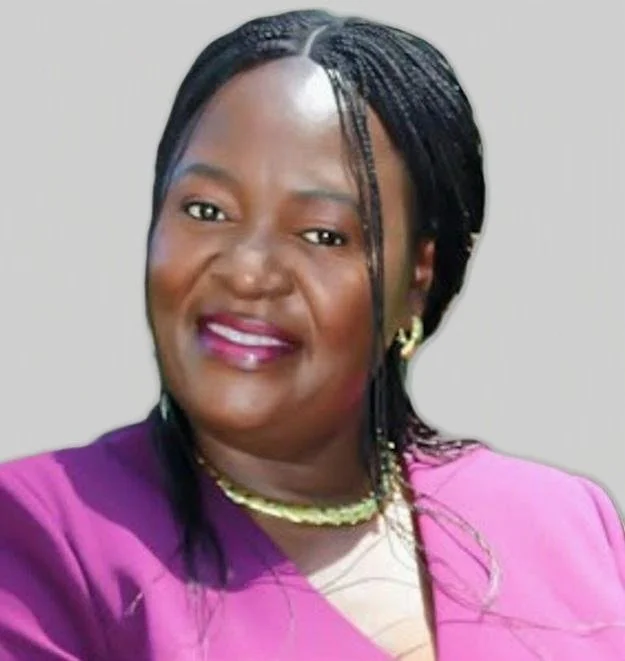
17+ years directing global development infrastructure, multi-million dollar portfolios, and institutional transformations. Certified U.S. procurement expert (FAC-C Professional) with advanced mastery of FAR and 2 CFR, and a proven track record in risk assessment, cost/price analysis, and full-lifecycle program administration. Holds a BSc (Hons) in Business Administration (Makerere University) and completed Change Management training at Harvard Business School.
-
Josephine leads the overall operational management of all BAROS-AFRICA programs. With over 17 years directing global development infrastructure, multi-million dollar portfolios, and institutional transformations, she pairs a deep commitment to social equity with rigorous operational discipline to run day-to-day administration and deliver high-impact health, economic, and humanitarian programs.
She is adept at aligning organizational infrastructure, workflows, and cross-functional teams with corporate vision — bridging headquarters strategy with field realities, streamlining complex business processes, and optimizing resource allocation across highly regulated federal environments.
A certified U.S. procurement expert (FAC-C Professional), Josephine has advanced mastery of U.S. Government Federal Acquisition Regulations (FAR Parts 13, 15, and 16) and the Code of Federal Regulations (2 CFR 200 & 700) governing grant instruments. She has a proven track record securing Public Financial Management Risk Assessment Frameworks (PFMRAF), mitigating institutional audit risk, and executing rigorous cost/price analysis, source selection, and contract/grant administration.
Josephine is a seasoned architect of full-lifecycle global operations, from initial SOW design and program descriptions through multi-sector execution, closeout, and workforce capacity building. She holds a BSc (Hons) in Business Administration from Makerere University and has completed Change Management training at Harvard Business School.
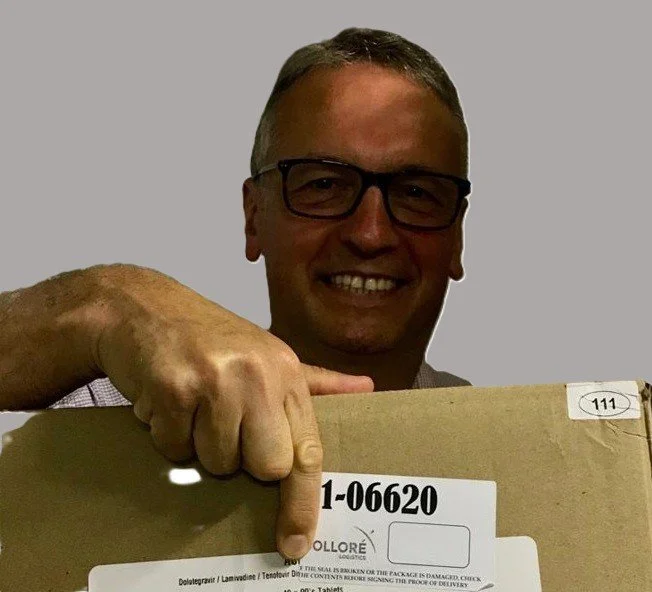
Xavier Tomsej, Private Sector Lead
29+ years at the intersection of private industry and global health — 19 years leading private-sector engagement inside USAID's Global Health Bureau, preceded by roughly 10 years in private industry. As Supply Chain Lead at USAID's Global Health Bureau, coordinated a $1B/year procurement portfolio, managed the $7B Global Health Supply Chain PSM contract across 50 countries, and delivered $73M in savings (2019–2024) through competitive procurement redesign. Structured volume guarantees and advance purchase commitments with WHO, the Global Fund, PEPFAR, and manufacturers to mobilize private capital for global health markets; brokered a UNICEF/Government of Malawi cargo drone partnership for last-mile diagnostic delivery. Holds an MBA in Intercultural Management (ICHEC Brussels) and a BS in Business Administration and International Relations (HEC Belgium); is a Certified Supply Chain Professional (CSCP) and USAID Contracting Officer's Representative (FAC-COR Level II).
-
Xavier serves as the Private Sector Lead at BAROS-AFRICA, driving strategic engagement with pharmaceutical companies, medical device manufacturers, logistics providers, and other private sector partners to accelerate health outcomes and strengthen health systems across Africa. With over 29 years at the intersection of private industry and international public health — 19 years leading private-sector engagement inside USAID's Global Health Bureau, preceded by roughly 10 years operating inside private industry itself — Xavier brings a dual fluency in both the language of government procurement and the language of commercial negotiation.
As Supply Chain Lead at USAID's Global Health Bureau, Xavier coordinated a $1 billion-per-year procurement and supply management portfolio spanning 4,000 product categories, and served as technical lead for commodity procurement strategy across five programs. He facilitated procurement strategy design, due diligence, and contract award for the NextGen PSM suite — 10 contracts totaling $17 billion over 10 years — and managed the Global Health Supply Chain Procurement and Supply Management contract, the largest civilian federal contract at $7 billion over 10 years, overseeing HIV/AIDS commodity procurement across 50 countries. He was also lead designer of key innovations for the $2.4 billion USAID DELIVER redesign, and delivered $73 million in documented savings between 2019 and 2024 through competitive procurement and contract redesign.
Xavier has a proven record of mobilizing private capital through demand-side de-risking. Working with WHO, the Global Fund, PEPFAR, ViiV, and both originator and generic manufacturers, he structured volume guarantees and advance purchase commitments that gave manufacturers the confidence to invest in production for global health markets — the same underlying logic as private-capital de-risking, applied through public and multilateral instruments rather than direct investment structuring. Earlier in his career, managing regulated-chemical and precious-metals procurement across six manufacturing sites on three continents for Flexsys, he used competitive negotiation, strategic supplier development, and reverse auctions to deliver $4.5 million in documented savings, and separately managed procurement and inventory for H2Gen, a clean-hydrogen technology startup.
Xavier has brokered multi-stakeholder partnerships directly — coordinating with UNICEF and the Government of Malawi on a public-private technology partnership deploying cargo drones for last-mile delivery around Lake Malawi, establishing reliable diagnostic sample delivery for 1,000+ patients in extreme resource-constrained island settings, work recognized with a 2018 Government Innovation Award. He has served as donor advisor to the East African Community Pooled Procurement Forum on regional procurement design, negotiated privatizing last-mile pharmaceutical delivery in Togo as a public-private partnership, led cabinet-level supply chain governance dialogue in Zambia, negotiated medicine-import shelf-life requirements with Tanzania's Ministry of Health, and led development of Côte d'Ivoire's national pharmaceutical supply chain strategy through broad stakeholder consensus-building.
Xavier holds a Master's degree in Intercultural Management (MBA, with an emphasis on international commerce, foreign trade policy, and applied economics) from ICHEC Brussels Business School and a Bachelor of Science, Cum Laude, in Business Administration and International Relations from HEC Belgium. He is a Certified Supply Chain Professional (CSCP, APICS/ASCM) and a Contracting Officer's Representative (FAC-COR Level II) covering acquisition planning, procurement strategy, and contract performance management across portfolios up to $17 billion.
Dr. Afirima Barinaadaa, Senior Survey and Surveillance Lead

20+ years strengthening disease surveillance, health information systems, and outbreak response across sub-Saharan Africa. As Senior Advisor with FHI360, provided technical oversight for surveillance and strategic information within a USD 600M Global Fund TB/HIV/Malaria portfolio in Malawi, and helped guide Malawi's National HIV Strategic Plan (2024–2030). Holds a PhD in Public Health, an MBA in Healthcare Management, an MPH, and an MBBS.
-
Dr. Barinaadaa provides technical leadership for all surveillance and survey activities across BAROS-AFRICA's programs. With over 20 years strengthening disease surveillance, health information, and outbreak response systems across sub-Saharan Africa, he is a recognized expert in designing and scaling routine and event-based surveillance, integrating national data platforms (DHIS2, EMRs, case-based reporting), and translating epidemiological data into programmatic and policy decisions.
He has directed large, donor-funded health programs (USD 3M–600M) that embed surveillance, monitoring and evaluation, and data quality assurance at national and facility levels. As Senior Advisor – Disease Surveillance & HIV/TB/Malaria Programs with FHI 360, seconded to Malawi's Ministry of Health and National AIDS Commission, he provided technical oversight for surveillance and strategic information within a USD 600M Global Fund TB/HIV/Malaria portfolio, strengthening case-based reporting, program monitoring, and epidemiological analysis against national targets.
Dr. Barinaadaa has strengthened national health information systems (DHIS2, EMRs) and case surveillance, improving completeness, timeliness, and data quality. He directed data quality assurance systems, verification audits, and reporting SOPs to ensure compliance with Global Fund, WHO, and government surveillance standards, and guided development of Malawi's National HIV Strategic Plan (2024–2030).
Dr. Barinaadaa holds a PhD in Public Health, an MBA in Healthcare Management, an MPH, and an MBBS. He is a member of the International AIDS Society (IAS) and the Nigeria Medical Association (NMA).
James Batuka, Senior Supply Chain Lead
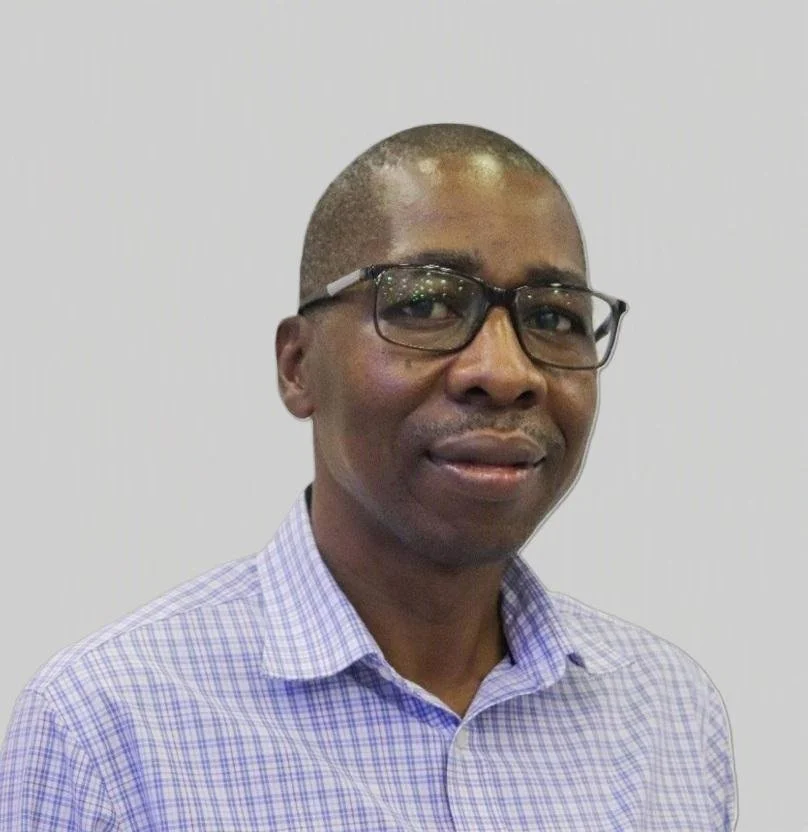
25+ years advising on HIV/AIDS pharmaceutical systems planning, ART commodity forecasting, and supply chain policy across public and private sectors. Currently Senior Supply Chain Management Advisor for USAID/Zimbabwe; previously led USAID/PEPFAR HIV treatment activities in Kenya and East Africa for 10 years and helped transition Kenya's supply chain to the government-owned KEMSA. Holds an MPH in Health Economics (University of Cape Town) and an MBA (Makerere University).
-
James provides strategic technical leadership for all emergency supply chain and logistics activities at BAROS-AFRICA. With over 25 years advising on policy, strategy, and technical matters in HIV/AIDS management across public and private sectors in developing countries, he is a recognized expert in pharmaceutical systems planning and management, ART commodity forecasting and quantification, and supply chain policy analysis, management, and planning.
James currently serves as Senior Supply Chain Management Advisor for USAID/Zimbabwe. He previously spent 10 years as HIV/AIDS Treatment Team Leader (Senior HIV Drug Procurement and Treatment Advisor) for USAID Kenya and East Africa, supervising, coordinating, and providing direct technical support for USAID- and PEPFAR-funded HIV treatment activities, and served as Contracting Officer's Representative (COR) for the largest mechanism in USAID Kenya and East Africa.
He has been instrumental in strengthening national supply chain systems across the region, including leading the transition of parallel supply chains to Kenya's government-owned agency, the Kenya Medical Supplies Authority (KEMSA). James has also participated in Kenya's Global Fund proposal writing and implementation monitoring process to ensure coordination with the PEPFAR program.
James holds an MPH in Health Economics from the University of Cape Town and an MBA from Makerere University, and has completed several USAID-designed courses and a WHO-affiliated course on Monitoring and Evaluation of Procurement & Supply Management Systems.
Dr. Priscah Wawire, Senior Global Health Security Advisor

15+ years strengthening infectious disease response, surveillance, and health systems across countries in East and Southern Africa. Recognized expert in cross-border disease surveillance, One Health coordination, and IHR (2005)/JEE frameworks, with senior technical advisory roles for COHESA/ILRI, The Lancet HIV/Lancet Global Health Joint Commission, and the University of Maryland's HIV care programs in Kenya. Holds an MScR in Public Health (Edinburgh), an MBChB (Nairobi), and a postgraduate certificate in Global Health (Washington).
-
Dr. Wawire provides strategic technical leadership for all surveillance, laboratory, and emergency response interventions at BAROS-AFRICA. With over 15 years strengthening infectious disease response, surveillance, and health systems across 20+ countries in East and Southern Africa, she is a recognized expert in operationalizing cross-border disease surveillance, advancing One Health multi-sectoral coordination, and supporting national and regional infectious disease programs for Ministries of Health, UNICEF, and international research partners.
Dr. Wawire has identified gaps in cross-border disease surveillance and alert-management systems that directly informed regional preparedness planning. As a Human Health Expert with COHESA (Capacitating One Health in Eastern & Southern Africa)/ILRI, she facilitated multi-sectoral One Health dialogues across 15+ partners spanning Ministries of Health, Agriculture, and Environment, advancing coordinated national response capacity — work that gave her working familiarity with IHR (2005) and Joint External Evaluation (JEE) frameworks, including Malawi's JEE findings on surveillance and coordination gaps.
She has also contributed to The Lancet HIV & The Lancet Global Health Joint Commission on Sustainable HIV Prevention in Africa, developing actionable roadmaps for health systems strengthening across 14 countries and 50+ authors, and co-authoring three peer-reviewed papers translating research into technical and policy guidance. Dr. Wawire has served as an embedded independent technical advisor within government structures, including as HIV Care & Treatment Quality Improvement Technical Advisor with the University of Maryland, Baltimore – Kenya Programs, leading national and district-level Continuous Quality Improvement programs for HIV care.
Dr. Wawire holds an MScR in Public Health from the University of Edinburgh, an MBChB from the University of Nairobi, and a postgraduate certificate in Global Health from the University of Washington. She is a Registered Practitioner with the Kenya Medical Practitioners and Dentists Board and a member of the Kenya Medical Association.
Meshack Onuonga, Supply Chain & Operations Lead

21+ years in operations and supply chain leadership spanning global health, humanitarian aid, and industrial manufacturing across 18+ countries. As head of Regional Supply Chain & Operations at ICAP/Columbia University, managed $10M+ annual portfolios; previously Chief Operating Officer for the PHIA Project and Project Manager for the UNSOS logistics contract in Somalia, ensuring continuity for 15,000+ personnel in conflict zones. Holds an MBA in Strategic Management (University of Nairobi, PhD in progress) and a BSc in Chemistry (Egerton University); Certified Quality Lead Auditor, cGMP expert, and Lean Six Sigma Practitioner.
-
Meshack is a results-driven Operations & Supply Chain Executive with more than 21 years of experience spanning global health, humanitarian aid, and corporate industrial manufacturing. He specializes in architecting end-to-end supply chains and leading multi-million-dollar programmes across 18+ countries, with a proven record of re-engineering workflows to drive 30%+ efficiency gains while ensuring rigorous adherence to Quality Management Systems (QMS) and cGMP standards.
Since 2020, Meshack has served as Head of Regional Supply Chain & Operations at ICAP at Columbia University, directing end-to-end supply chain execution for large-scale medical and public health programmes across 18 countries, managing $10M+ annual portfolios with consistent total donor audit compliance, and modernizing regional infrastructure through integrated ERP/WMS deployments. From 2017 to 2019, he served as Chief Operating Officer for the PHIA Project, directing the logistical launch of three major multi-country health initiatives on time and within budget, cutting stockouts by 50% and improving inventory turnover by 20% through automated tracking, and standardizing vendor SLAs and cross-border risk boundaries across Kenya, Uganda, and Tanzania.
Earlier in his career, Meshack managed complex, high-stakes logistics operations across multiple sectors: as Project Manager for Inchcape Shipping Services on the UNSOS contract in Somalia (2014–2017), he ensured 100% operational continuity for more than 15,000 AMISOM and Somalia National Army soldiers in high-risk conflict zones; as Head of Contract Logistics at Agility Global Logistics (2011–2014), he led complex multi-site warehouse operations and a full transition to WMS automation; and as Operations Manager at G4S Secure Solutions (2007–2011), he managed a logistics network of more than 1,000 staff and 250 vehicles.
Before moving into humanitarian and global health logistics, Meshack built deep manufacturing and quality management expertise: as General Manager at Universal Corporation Ltd (2003–2007), he integrated WHO-compliant QMS and cGMP frameworks across the full manufacturing value chain and directed facility construction and machinery qualification to international pharmaceutical and environmental standards; and as Production Supervisor at GlaxoSmithKline (1999–2003), he drove a 30% increase in production efficiency through Lean methodologies and proactive error-proofing.
Meshack holds an MBA in Strategic Management from the University of Nairobi, where he is also pursuing a PhD in Strategic Management, and a BSc in Chemistry from Egerton University. He is a Certified Quality Lead Auditor and cGMP expert, a Lean Six Sigma Practitioner, and a certified Trainer of Trainers and Lead Facilitator for the Kenya Institute of Supplies Management (KISM).
Alpha Chapendama, Senior Child Protection Advisor
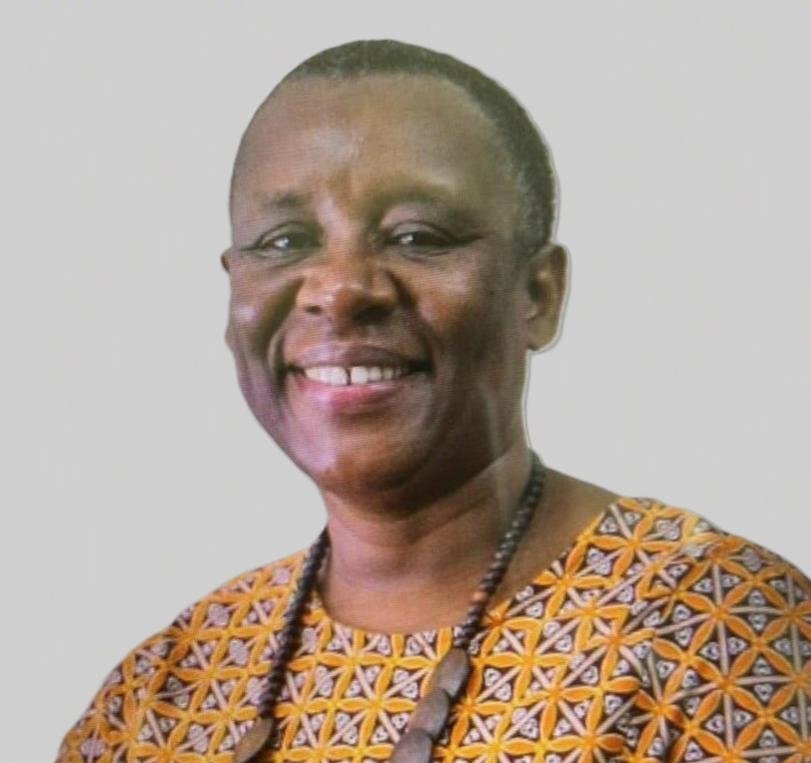
22+ years designing and leading large-scale donor-funded child protection programs across Southern and Eastern Africa, with over 10 years as a USAID Agreement Officer Representative (AOR). Most recently Chief of Party for the USAID-funded Alliance for Children Everywhere across Malawi, Uganda, and Zambia; previously Senior OVC Advisor at USAID Malawi for 7+ years. Holds a Master's in Public Administration and a BSc (Hons) in Politics and Administration (University of Zimbabwe).
-
Alpha ensures that all BAROS-AFRICA project activities uphold the highest standards of child protection, safeguarding, and youth programming. With over 22 years designing, managing, and providing technical leadership to large-scale donor-funded programs across Southern and Eastern Africa, Alpha is a recognized expert in child protection systems strengthening, care reform and de-institutionalization, promotion of family-based care, HIV-sensitive case management, localization, safeguarding, multi-sectoral coordination, and sustainability programming.
Alpha brings extensive USG/PEPFAR experience, including over 10 years as an Agreement Officer Representative (AOR), with deep understanding of US Government priorities, compliance requirements, funding mechanisms, strategic planning, and proposal development.
Alpha most recently served as Chief of Party for the Alliance for Children Everywhere, a USAID-funded care reform initiative operating in Malawi, Uganda, and Zambia. Previously, Alpha spent over 7 years as Senior Community Care, Orphans, and Vulnerable Children (OVC) Advisor at USAID Malawi, leading the OVC, DREAMS, and systems strengthening portfolio, and has also served as Program Manager at USAID Zimbabwe and at the Swedish International Development Agency (SIDA).
Alpha holds a Master's degree in Public Administration and a BSc (Hons) in Politics and Administration from the University of Zimbabwe.
Felix Ndege, Finance Director
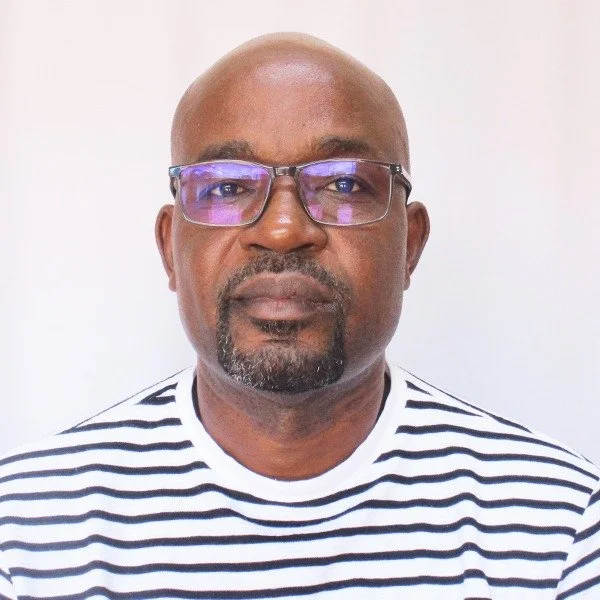
18+ years managing complex, multi-donor portfolios across Africa and the Caribbean, with expertise in financial strategy, donor compliance, and organizational transformation for USAID, CDC, PEPFAR, DOD, and the Gates Foundation. As Finance & Administration Director at Jhpiego Malawi, led a $30M+ portfolio and directed a CDC expansion from $6M to $20M annually while growing staffing from 150 to 550; has a proven track record reversing USAID compliance threats, detecting reporting inaccuracies that saved over $2 million, and exposing a 35-person fraud scheme. Holds an MBA in Finance (University of Nairobi) and is a Certified Public Accountant (Kenya).
-
Felix serves as the Finance Director at BAROS-AFRICA, providing strategic financial leadership, compliance oversight, and institutional strengthening across the organization's multi-million-dollar portfolios. With over 18 years managing complex, multi-donor portfolios across Africa and the Caribbean, he is a strategic finance leader with demonstrated mastery in financial strategy, donor compliance, organizational transformation, and risk management for global development programs.
Felix holds an MBA in Finance from the University of Nairobi and is a Certified Public Accountant (Kenya), registered with ICPAK since 2009. He has served donors including USAID, CDC, PEPFAR, DOD, and the Bill & Melinda Gates Foundation, and international NGOs including Jhpiego, Internews, JSI, CRS, and World Vision. His leadership has restored donor confidence, turned around troubled programs, and developed sustainable financial systems that strengthen accountability, compliance, and institutional performance.
Known for turning around troubled programs and restoring donor confidence, Felix has a proven track record of reversing USAID compliance threats through controls reform, fraud training, and pipeline tools, securing renewed funding. He detected HQ reporting inaccuracies that saved over $2 million in potential losses by redesigning activities and staffing to prevent disallowed costs, and exposed a multi-staff fraud scheme involving 35 staff, preventing wider institutional risk.
As Finance & Administration Director at Jhpiego Corporation in Malawi, Felix led finance, procurement, HR, admin, IT, and compliance for a $30M+ portfolio, directing a CDC expansion from $6M to $20M annually while growing staffing from 150 to 550 and expanding fleet operations from 10 to 50 vehicles. He designed country-level SOPs and tools that were adopted regionally, improved forecasting and pipeline systems for real-time visibility, and achieved clean audits following a fraud investigation.
Felix has led localization efforts, designing financial projections and SWOT analysis that enabled the creation of a local NGO in Malawi. He developed Internews' Field Accounting Status Report (FASR) tool to measure compliance and financial performance across 8+ countries, and created cost-tracking dashboards and sub-grantee SOPs used across multiple Jhpiego country offices.
Samuel Kamiru, Senior Survey Data & Informatics Lead

17+ years planning, architecting, and running end-to-end data systems behind national population-based surveys and multi-country disease-surveillance programs. In-country technical data lead for three of Kenya's national surveys (KAIS 2012, National TB Prevalence Survey, KENPHIA) and regional technical lead for the TRACE multi-country surveillance program spanning 10+ countries. Holds a BSc in Computer Science (JKUAT) and is pursuing an MSc in Data Science and Analytics (University of East London), with certifications in DHIS2 Tracker and System Design, Microsoft SQL Server, and ITIL Foundation.
-
Samuel serves as the Senior Survey Data & Informatics Lead at BAROS-AFRICA, providing strategic technical leadership for the design, implementation, and analysis of national population-based biomarker surveys, surveillance systems, and health informatics platforms. With over 17 years planning, architecting, and running end-to-end data systems behind national population-based surveys and multi-country disease-surveillance programs, he brings a unique combination of technical depth, operational discipline, and institutional credibility to BAROS-AFRICA's survey and surveillance portfolio.
Samuel has been the in-country technical data lead for three of Kenya's national population-based surveys — KAIS 2012, the National TB Prevalence Survey, and KENPHIA — and the regional technical lead for the TRACE multi-country surveillance program spanning 10+ countries across Africa, Eastern Europe, and Southeast Asia. His scope on each has run from survey protocol to archived dataset: costing and sequencing field data operations, household enumeration and cluster scheduling, CAPI instrument design in up to 14 languages, specimen-to-participant linkage with reference laboratories, verified return of results, real-time monitoring, cleaning and de-duplication, and analysis and report writing.
Samuel brings three core strengths to every survey program: planning discipline — converting a sampling design into a costed, sequenced operation and holding delivery against it week by week; engineering depth — building offline-first, multilingual, barcode-linked platforms that survive intermittent connectivity; and institutional credibility — convening technical working groups with Ministries of Health, KNBS, CDC, and other partners. Every survey he has led has closed with a trained in-country data team, executable SOPs, a DDI-compliant archived dataset, and a national institution able to run the platform unaided.
Samuel holds a BSc in Computer Science from Jomo Kenyatta University of Agriculture and Technology and is currently pursuing an MSc in Data Science and Analytics at the University of East London. He holds certifications in DHIS2 Tracker and System Design, Microsoft SQL Server, and ITIL Foundation, with continuing professional development in machine learning and AI for healthcare.
Francis Ogollah, Senior Laboratory Advisor
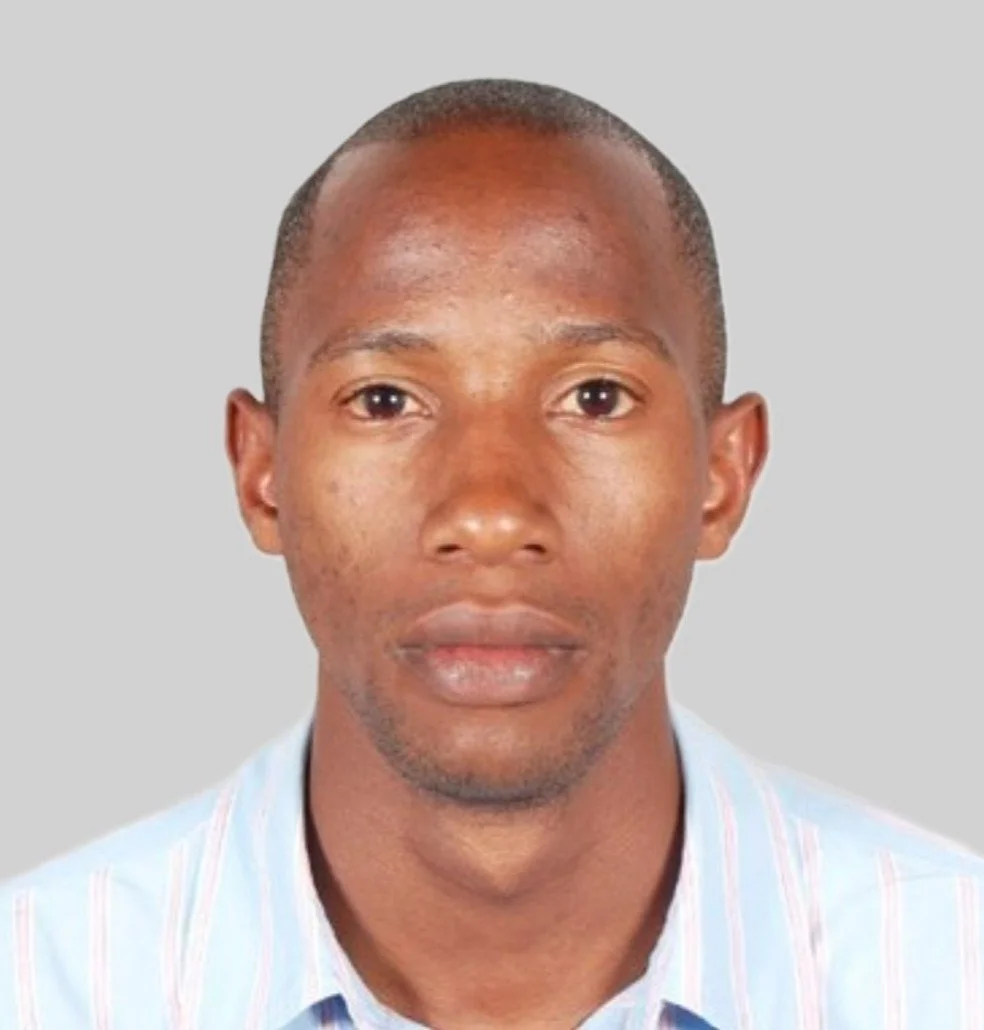
10+ years leading clinical and public health laboratory systems, quality management, and diagnostic network strengthening across sub-Saharan Africa. As the Senior Regional Laboratory Advisor for ICAP at Columbia University, provided laboratory technical leadership across 10 national PHIA (Population-based HIV Impact Assessment) surveys spanning Malawi, Zimbabwe, Uganda, Eswatini, Lesotho, Tanzania, Mozambique, Côte d'Ivoire, DRC, and Cameroon. Holds an MSc in Medical Microbiology (Maseno University, PhD in progress), and a BSc in Medical Laboratory Sciences with IT (Maseno University); is a certified laboratory auditor (ISO 15189) and SLMTA master trainer.
-
Francis serves as Senior Laboratory Advisor at BAROS-AFRICA, providing strategic and technical leadership for the design, implementation, and oversight of laboratory-strengthening activities across the organization's programmes. With over 10 years of experience in clinical and public health laboratory systems, quality management, biosafety and biosecurity, and diagnostic network strengthening across more than 10 African countries, Francis is a recognized expert in building resilient, quality-assured laboratory systems that underpin disease surveillance, outbreak response, and global health security.
Francis holds a Master of Science in Medical Microbiology from Maseno University, and a Bachelor of Science in Medical Laboratory Sciences with Information and Technology from the same institution. His research has focused on HIV drug resistance, subtyping, and viral load suppression, contributing to peer-reviewed publications in the Journal of the International AIDS Society, PLoS One, and AIDS Research and Therapy.
As Senior Regional Laboratory Advisor for ICAP at Columbia University, Francis provided laboratory technical leadership across 10 Population-based HIV Impact Assessment (PHIA) surveys — the nationally representative household surveys that establish a country's official HIV prevalence, incidence, and viral load suppression estimates, and that directly shape national HIV response strategy and donor investment decisions. Across Malawi, Zimbabwe, Uganda, Eswatini, Lesotho, Tanzania, Mozambique, Côte d'Ivoire, the Democratic Republic of Congo, and Cameroon, Francis served as the lab technical authority responsible for ensuring that results from ten distinct national laboratory systems, operating under ten different regulatory environments and supply chains, met one consistent, rigorous, and comparable standard — a scale and consistency of laboratory oversight matched by very few advisors in the region.
His responsibilities spanned the full survey lifecycle: developing laboratory supply quantification and procurement plans, conducting product reviews and vendor verification, overseeing procurement and supply chain management, and directly mentoring country-level laboratory advisors so that each national team could sustain quality standards well beyond the life of the survey itself. He also developed phone-based laboratory assessment checklists using ODK applications, enabling laboratory readiness to be tracked in real time across widely dispersed survey sites, and trained in-country staff on these readiness assessments ahead of each PHIA rollout.
Francis brings deep technical expertise across molecular diagnostics — both centralized and point-of-care platforms for HIV qualitative and viral load testing, DNA sequencing for HIV drug resistance and subtyping, molecular parasitology (malaria and leishmaniasis speciation), and molecular entomology (mosquito and sandfly speciation, including molecular identification of reservoir hosts). He is a certified laboratory auditor under ISO 15189 and a master trainer for SLMTA (Strengthening Laboratory Management Toward Accreditation), and has led national laboratory quality management system implementation, laboratory information system rollouts, biosafety and biosecurity manual development, specimen transport network evaluation, and baseline assessments using the CDC LAARC tool — including preparation of quality control and proficiency testing panels at National Public Health Laboratories and procurement guidance for QC materials and reagents.
Dr. Herbert Longwe, Laboratory Systems Lead

20+ years in medical laboratory operations, public health, HIV/TB/malaria research, and laboratory systems strengthening across PEPFAR/CDC, Global Fund, Gates Foundation, Wellcome Trust, and EDCTP-funded programmes. Deputy Director for Laboratory Support at ICAP/Columbia University (2023–2025), supervising 40+ laboratory advisers; held escalating PHIA leadership roles from 2015–2023, including Regional Project Director and Laboratory Director across a 16-country program. Holds a PhD in Immunology (University of Malawi), an MPhil in Tropical Medicine (University of Liverpool), and a BSc in Biology (University of Malawi); author of 20+ peer-reviewed publications.
-
Herbert is a results-driven biomedical scientist with more than 20 years of global experience spanning medical laboratory operations, public health, HIV/TB/malaria research, laboratory systems strengthening, clinical trials, population-based surveys, and laboratory workforce capacity building. His technical and laboratory leadership experience spans programmes supported by PEPFAR/CDC, the Global Fund, the Gates Foundation, Wellcome Trust, and EDCTP, with a strong record of peer-reviewed publication in infectious disease and policy-related research.
Most recently, as Deputy Director for Laboratory Support at ICAP at Columbia University's Mailman School of Public Health (2023–2025), Herbert led day-to-day planning, implementation, and evaluation of global laboratory technical assistance across PEPFAR-supported countries in sub-Saharan Africa, Central America, and Southeast Asia, supervising more than 40 ICAP laboratory advisers and providing cross-cutting technical support for Population-based HIV Impact Assessment (PHIA) surveys.
Herbert's PHIA leadership spans nearly a decade, across an escalating series of regional roles: Senior Laboratory Technical Advisor for South Sudan's Programmatic Support Award (2022–2023), where his technical assistance contributed to the National Public Health Laboratory achieving KENAS accreditation it has maintained since; Regional Project Director for PHIA (2021–2023), directing the regional office and completed surveys across six African countries while serving as liaison with CDC; Laboratory Director for PHIA (2019–2023), providing laboratory leadership across a 16-country programme, including designing laboratory workflows, overseeing HIV biomarker testing and return of results, and supporting COVID-19 surveillance studies in Malawi, Cameroon, and Kenya; and Regional Laboratory Technical Lead for PHIA (2015–2018), providing laboratory technical support across 14 countries in Africa, Haiti, and Rwanda.
Earlier in his career, Herbert built a strong laboratory research foundation: as a Postdoctoral Research Fellow at the University of the Witwatersrand's Centre of Excellence for Biomedical TB Research, he conducted BSL-III laboratory research on Mycobacterium tuberculosis and host immune responses; as Research Scientist and Laboratory Manager at the University of Malawi's Tropical Haematology Research Unit, he led research on malaria-specific immunity in HIV-exposed, uninfected Malawian children — the basis of his PhD — while managing a clinical trials laboratory supporting five studies; and he held laboratory leadership roles on tuberculosis and pneumococcal vaccine clinical trials with the London School of Hygiene & Tropical Medicine's Karonga Prevention Study and the Malawi-Liverpool-Wellcome Trust Clinical Research Programme, including a landmark pneumococcal conjugate vaccine trial published in the New England Journal of Medicine.
Herbert holds a PhD in Immunology from the University of Malawi, an MPhil in Tropical Medicine from the University of Liverpool, and a BSc in Biology from the University of Malawi. He is a registered Professional Natural Scientist with the South African Council for Natural Scientific Professions, certified in Good Clinical Laboratory Practice (GCLP), and has authored or co-authored more than 20 peer-reviewed publications in journals including The Lancet HIV, the New England Journal of Medicine, the Journal of Clinical Microbiology, and PLoS Medicine.